


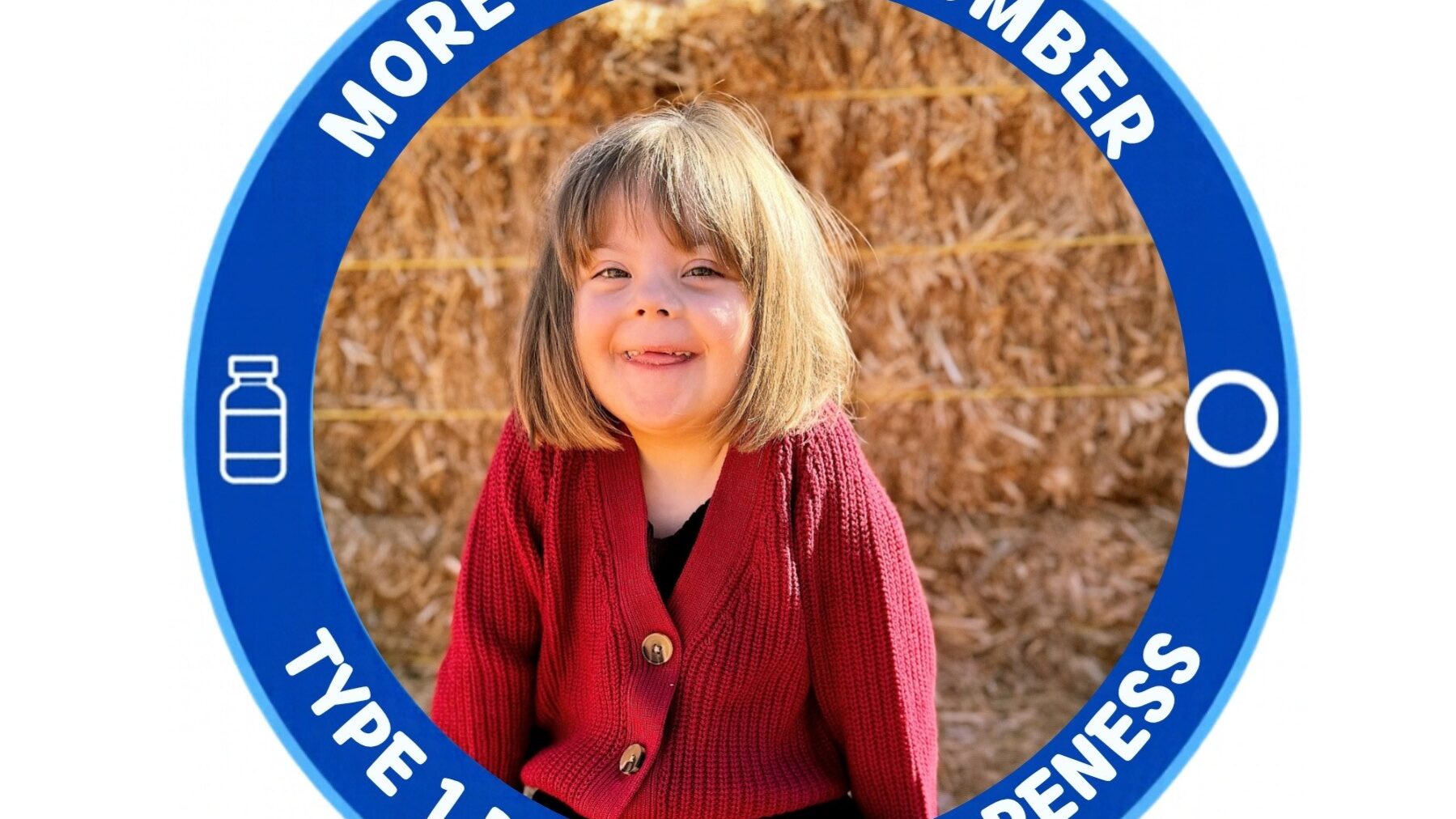
One awareness month ends, and another begins! As we turn the calendar to November, we also begin Diabetes Awareness Month, a month dedicated to educating others, spreading awareness, supporting those living with diabetes, and advocating for better treatments and, ultimately, a cure.
But what does Diabetes Awareness Month actually mean? And why is it important?
November has been recognized as National Diabetes Month in the United States for decades. The American Diabetes Association traces its November awareness efforts back to 1975. In the early 1980s, presidential proclamations began officially recognizing November as National Diabetes Month, and in 1989, Congress formally designated November for this purpose. The goal was to bring greater attention to diabetes, encourage public education, recognize the impact it has on individuals and families, and emphasize the importance of continued research. And all these years later, those goals remain just as important.
So, what are we hoping to accomplish during this month?
At its heart, Diabetes Awareness Month is about making sure people understand diabetes. It’s about educating communities, correcting misinformation, recognizing the challenges people face, advocating for access to proper care and supplies, supporting research, and making sure the voices of those living with diabetes are heard.
It’s also about recognizing that diabetes isn’t just one condition with one experience. There are different types of diabetes, and while they share some similarities, their causes, treatments, and management can be very different. It’s important that we don’t make assumptions about someone’s diagnosis based on what we think we know about diabetes.
One of the biggest reasons awareness is still needed is because misconceptions surrounding diabetes haven’t gone away. Type 1 diabetes, for example, is often misunderstood. It is an autoimmune disease in which the immune system mistakenly attacks the insulin-producing cells in the pancreas. It is NOT caused by eating too much sugar, an unhealthy diet, or a lack of exercise. It cannot currently be prevented, and there is nothing a parent could have done differently to stop their child from developing it.
People with diabetes can still enjoy their favorite foods, celebrate birthdays, eat pizza, have dessert, and live full, active lives. Diabetes doesn’t mean someone has to give up everything they enjoy. It does mean there are additional considerations and decisions that go into everyday activities that most people never have to think twice about.
And that’s another part of awareness that deserves more attention: the invisible workload of diabetes. Behind the devices, medical appointments, and occasional conversations about blood sugar is a constant amount of work that most people never see. It’s monitoring, calculating, adjusting, planning, treating, preparing, and doing it all over again. It’s something that doesn’t stop when someone goes to bed, leaves the house, or simply wants to enjoy a day without thinking about it.
Awareness also means recognizing that people living with diabetes need more than just encouraging words. They need access to insulin, diabetes technology, medical care, education, support, and continued research. Not everyone has equal access to these things, and that’s something worth talking about.
Research is especially important because although treatments and technology have come a long way, there is still so much more to learn. Every advancement brings new possibilities, whether it’s improving insulin delivery, developing better monitoring technology, finding ways to make everyday management easier, or working toward a cure. For families affected by type 1 diabetes, the hope for a future without daily insulin and constant blood sugar management is something that never goes away.
For many families, including ours, November is also an opportunity to share personal experiences, advocate for our loved ones, and help others understand what life with diabetes really looks like. It’s an opportunity to educate teachers, caregivers, friends, family members, and even complete strangers about something that affects millions of people around the world.
You don’t have to live with diabetes to make a difference. You don’t have to know someone with diabetes to educate yourself. And you certainly don’t have to be a medical professional to help spread accurate information.
Sometimes awareness starts with something as simple as asking questions, being willing to learn, and understanding that what you thought you knew about diabetes might not tell the whole story.
Throughout November, you’ll see plenty of blue, diabetes awareness campaigns, educational posts, personal stories, and reminders that the fight for better treatments and a cure is far from over.
For our family, the goal is to help replace misinformation with understanding, judgment with compassion, and assumptions with education. We want people to understand that behind every diagnosis is a real person, a family, and a story worth hearing.
A little more awareness. A little less stigma. A whole lot more understanding.
So whether you’re wearing blue, sharing a fact, supporting diabetes research, or simply taking the time to learn something new, you’re helping keep the conversation going.