


Lately, I’ve been thinking a lot about the future.
Not just the next appointment or the next blood sugar check—but the long-term picture. The kind of future that includes hope, progress, and maybe one day, a cure for Type 1 Diabetes.
That’s where the Islet Act comes in.
Right now, islet cell transplantation is classified as a drug therapy, not an organ transplant. That might sound like a technical detail—but it has huge consequences.
When something is regulated as a drug, it faces different barriers: stricter approvals, limited access, higher costs, and fewer patients who qualify. Reclassifying islet cell transplantation as an organ transplant would change everything. It would open doors for research, insurance coverage, transplant infrastructure, and—most importantly—access for people who need it.
Including children.
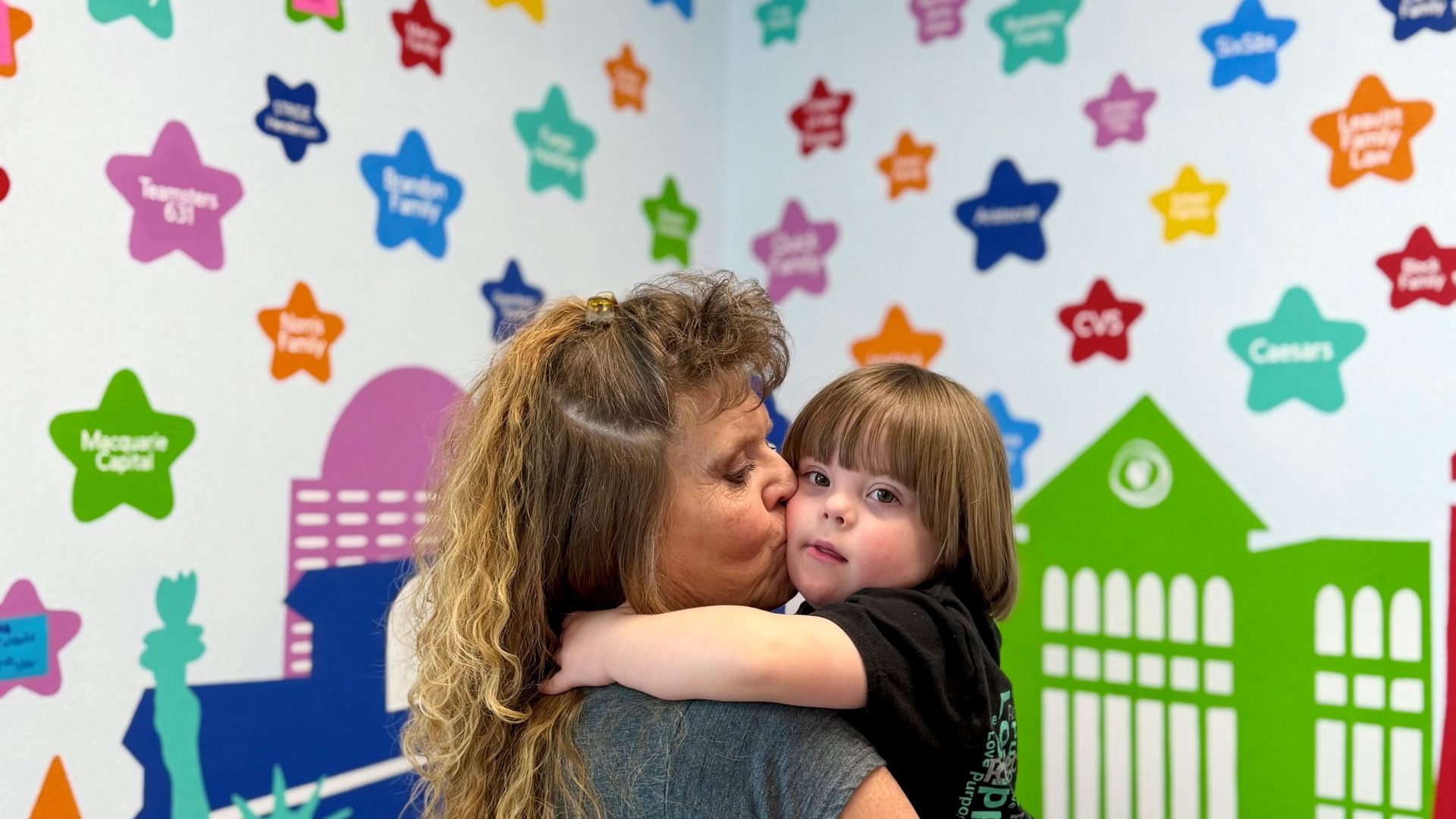
Including kids like Kay.
Islet cells are the insulin-producing cells that people with Type 1 Diabetes no longer have. The idea that one day those cells could be replaced—giving someone the ability to regulate their own blood sugar again—is incredible. It’s hope in a space where families like ours live with constant vigilance.
But here’s the part that hits closest to home.
Even if a cure or treatment becomes available, not every child automatically qualifies.
Historically, people with Down syndrome and other disabilities have been excluded from certain medical treatments—not because of individual health factors, but because of assumptions. Assumptions about quality of life. About compliance. About worthiness.
And that’s terrifying.
This is where things become deeply personal for me.
A friend of mine — a former local mom here in Nevada to a son with Down syndrome named Caleb — was the one who created and fought for Caleb’s Law. She turned her lived experience into action and helped get it passed here in Nevada.
Because of her, decisions about medical care can’t be made based solely on a Down syndrome diagnosis. Because of her, children like Kay are required to be seen as individuals — not assumptions, not statistics.
And without her doing that incredibly hard, brave work?
I’d be staring down yet another roadblock for my daughter’s future.
Let that sink in.
A child could be denied a cure—not because it wouldn’t help, but because someone decided her life was too complicated.
That’s why the Islet Act matters now, even if a cure feels far away.
We push to change how islet transplantation is classified because access matters. We push for inclusive laws because progress means nothing if it leaves children behind. And we push because our kids deserve futures that are not limited by diagnoses they didn’t choose.
I don’t know what the future holds for Type 1 Diabetes. I don’t know if or when a cure will come.
But I do know this:
If that day comes, Kay deserves the chance to benefit from it.
Not despite having Down syndrome.
Not with special exceptions.
But because she is worthy — exactly as she is.
And that’s why this matters.