


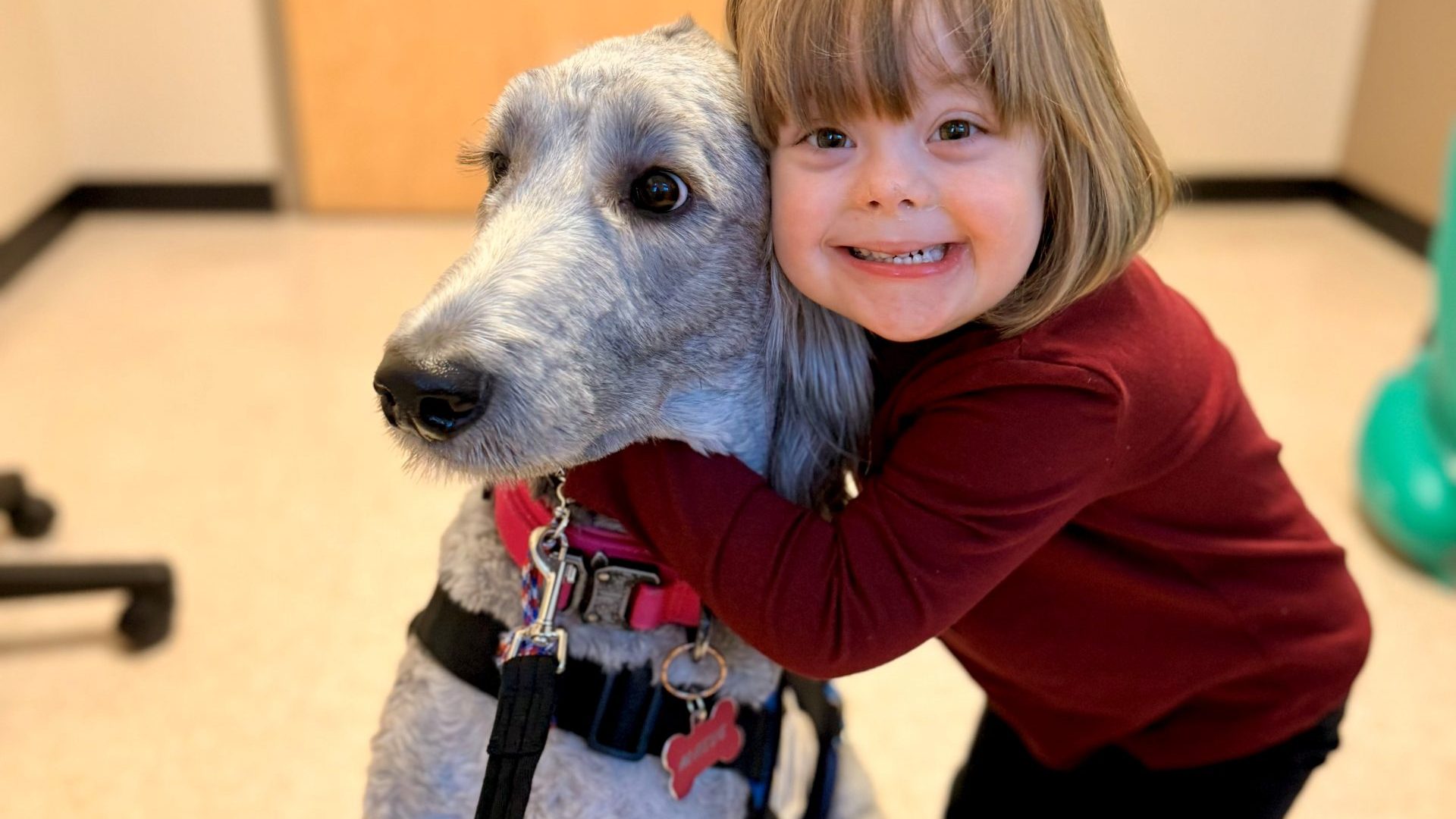
Every three months, we have an endocrinology appointment for Kay. These visits are a chance to look at her blood sugar trends, talk through any patterns we’re seeing, make adjustments if needed, and check her A1C. They’re necessary, but I’d be lying if I said they don’t come with a little anxiety every single time.
Over the last few months, I’ve been intentionally trying to give Kay more freedom with food. My goal has always been for her to have as normal of a childhood as possible, even with Type 1 Diabetes. I don’t want food to feel scary, restricted, or “off limits.” At the same time, I still have the responsibility of managing her blood sugars and doing everything I can to protect her long-term health. Balancing those two things is hard — especially when you’re managing diabetes in a five-year-old who is also a picky eater, like most kids her age.
If you’re not familiar, the A1C is a blood test that shows an average of blood sugar levels over roughly the past three months. It doesn’t reflect day-to-day highs and lows, but instead gives a bigger picture of overall control. For people with diabetes, an A1C under 7% is generally the goal, as consistently higher numbers can increase the risk of long-term complications affecting the eyes, kidneys, nerves, and heart.
At Kay’s last endocrinology visit in October, her A1C was 6.2. Going into this appointment, I was genuinely worried it would be much higher. Between trying to loosen my grip on food choices and navigating unpredictable toddler appetites, things haven’t gone as smoothly as I hoped. Some days feel like a win, and other days feel like we’re constantly chasing numbers.
So hearing that her A1C was 6.5 came as a huge relief. Yes, it’s a slight increase, but it’s still under 7 — and that matters. It told us that even with the challenges, we’re still doing a good job overall. It also reminded me that perfection isn’t the goal. Progress, balance, and sustainability are.
Managing Type 1 Diabetes in a young child is a constant juggling act. We’re not just counting carbs and dosing insulin — we’re shaping how our kids view food, their bodies, and their health. I want Kay to grow up understanding her diabetes without feeling defined by it. I want her to enjoy food, birthday parties, snacks with friends, and all the normal things that come with being a kid, while still keeping her safe.
This visit was a reminder that it’s okay if things aren’t perfect. We can make small adjustments, learn as we go, and keep showing up every day doing the best we can. And sometimes, the biggest win is realizing that “good enough” is actually really good.